From kitchen to growing plots
Herbs by the oven for the cook, vegetable plots across the stream and the walnut tree for gathering at the table. Shade, water and practical access will shape how the three places could work together.
 ColivingLiguria
Ville Chiappella · Cairo Montenotte
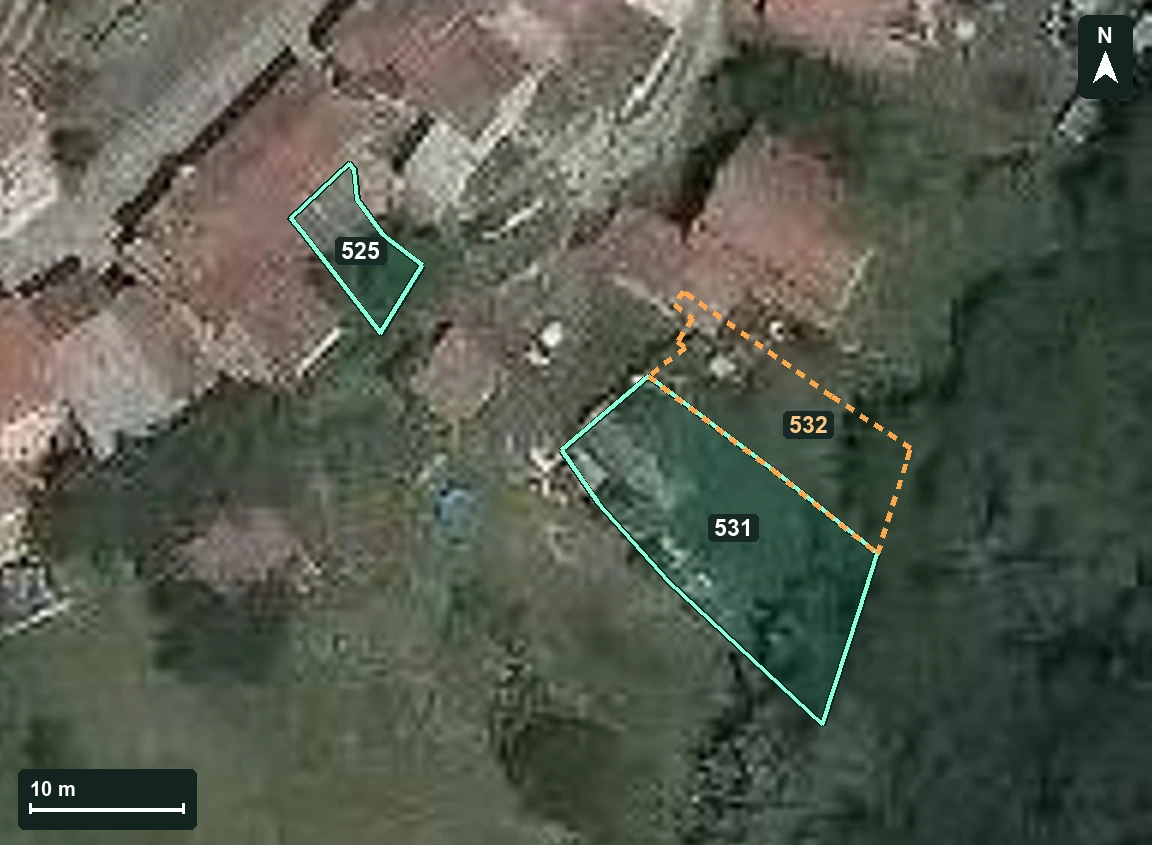
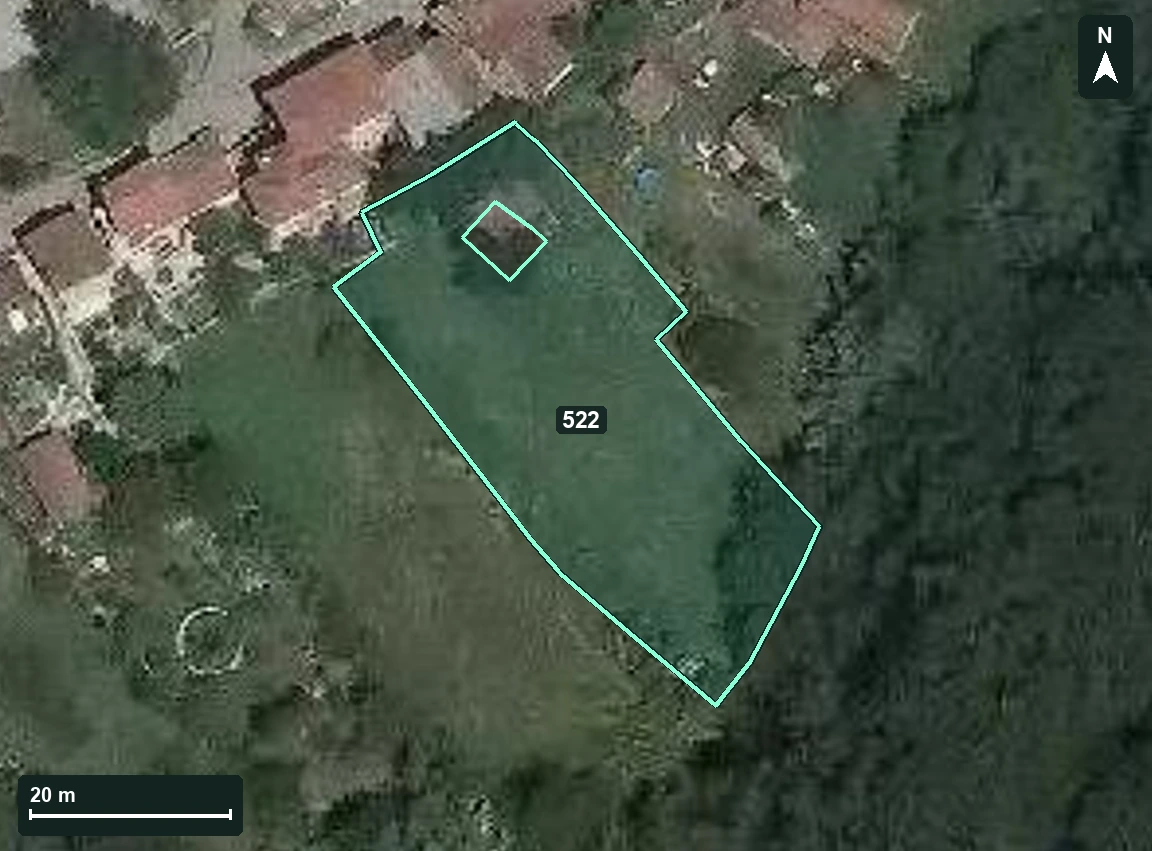
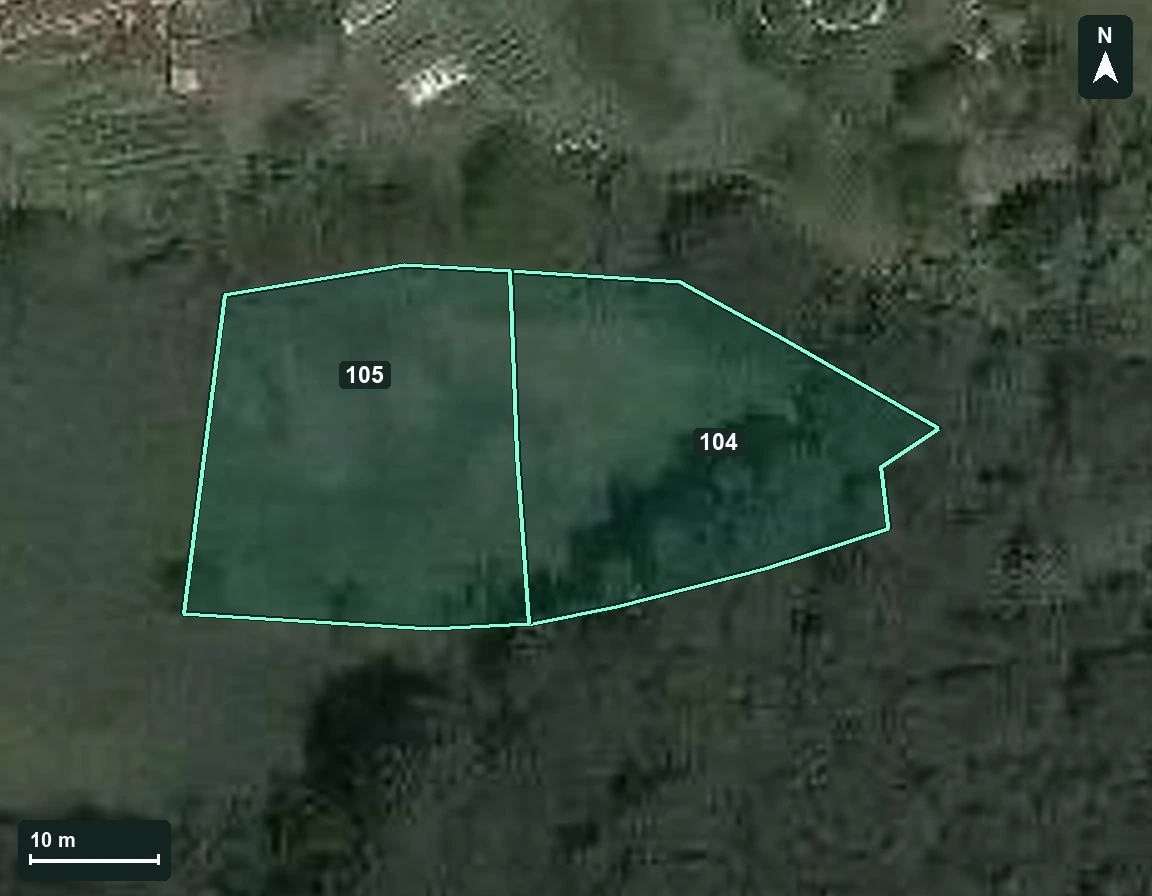
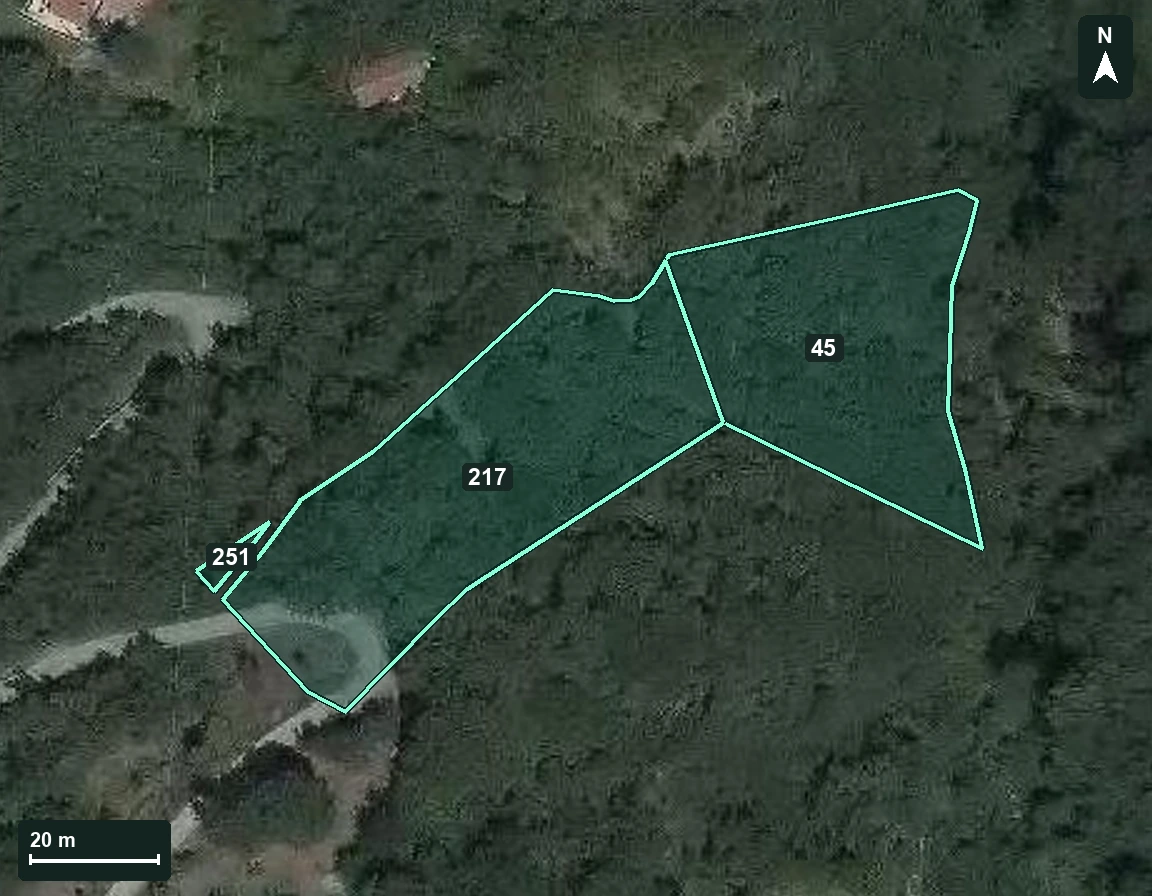
From the tables we imagine by the bread oven to the chestnut grove on the hillside, five places shape our plans for outdoor life in Chiappella. Explore their photographs, parcels and terrain in 3D.
Ville Chiappella
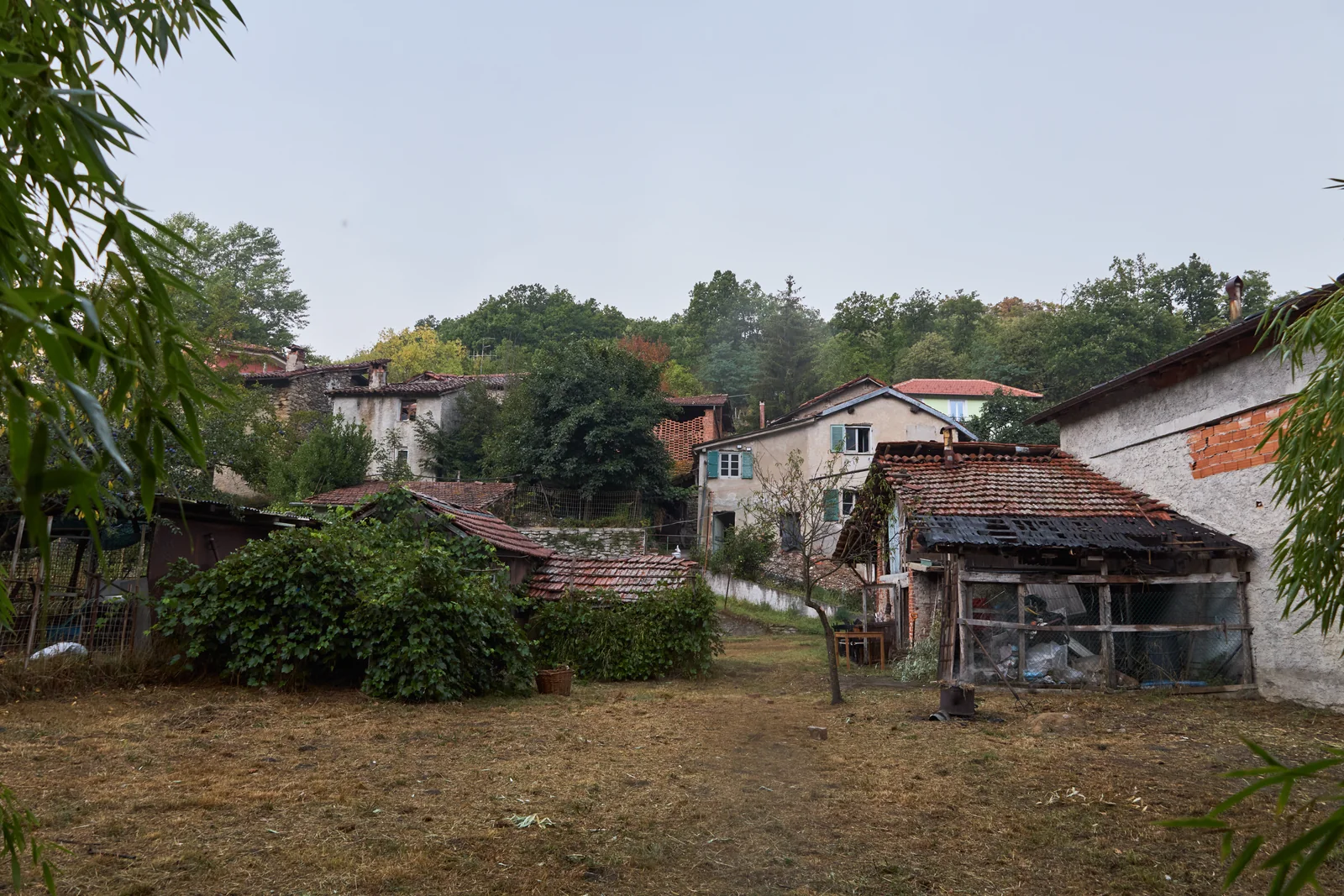
Rio Luviazzi runs below the houses, with the meadow on the opposite bank. The two woodlands lie farther south, on different slopes. The house symbol marks the hamlet reference point used to measure distances.
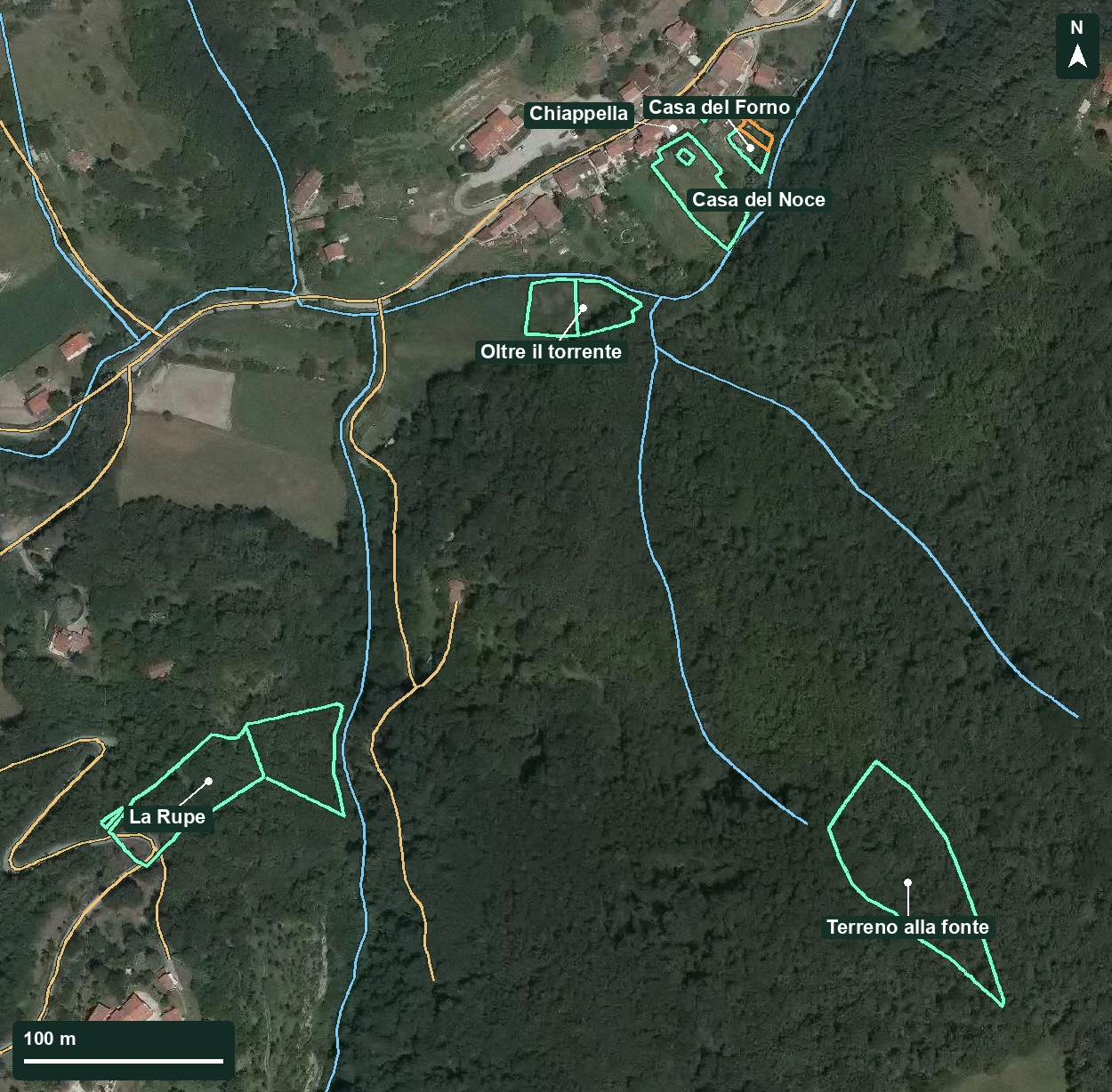
AGEA 2019 aerial imagery and cadastral mapping. Terrain comes from the regional 5 m bare-earth model.
Drag to rotate, scroll to zoom or Shift-drag to pan. On a phone use two fingers to zoom and pan.
Straight-line distances from the hamlet to a point inside each site. Each profile also gives the distance to the nearest boundary and describes the approach.
Around the bread oven we picture a table for meals cooked together. At Casa del Noce the walnut tree gives us a starting point for studying shade for reading, working and eating outdoors.
Across the water the ground changes character. Here we would like to try growing vegetables in small plots, with a botanical garden and composting. The first questions are how to reach the land and how to water the crops.
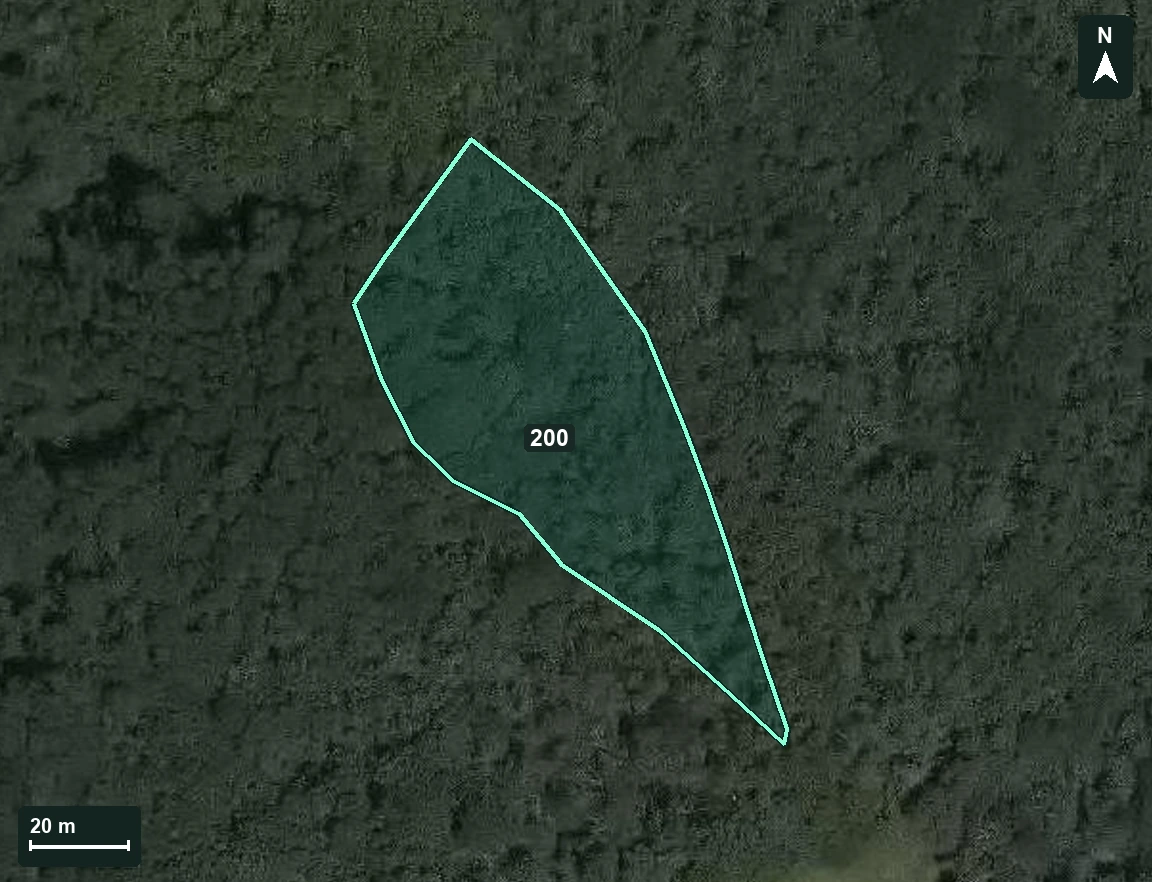
At La Rupe we are interested in the clearing, places to pause by the brook and the possibility of cooking together. At the spring woodland the first step is to understand the chestnut trees and the hillside. Across the woods we are exploring reading hammocks, seasonal tree tents, fungi and areas to leave undisturbed. Suitable spots depend on surveying the trees, access and stream banks.
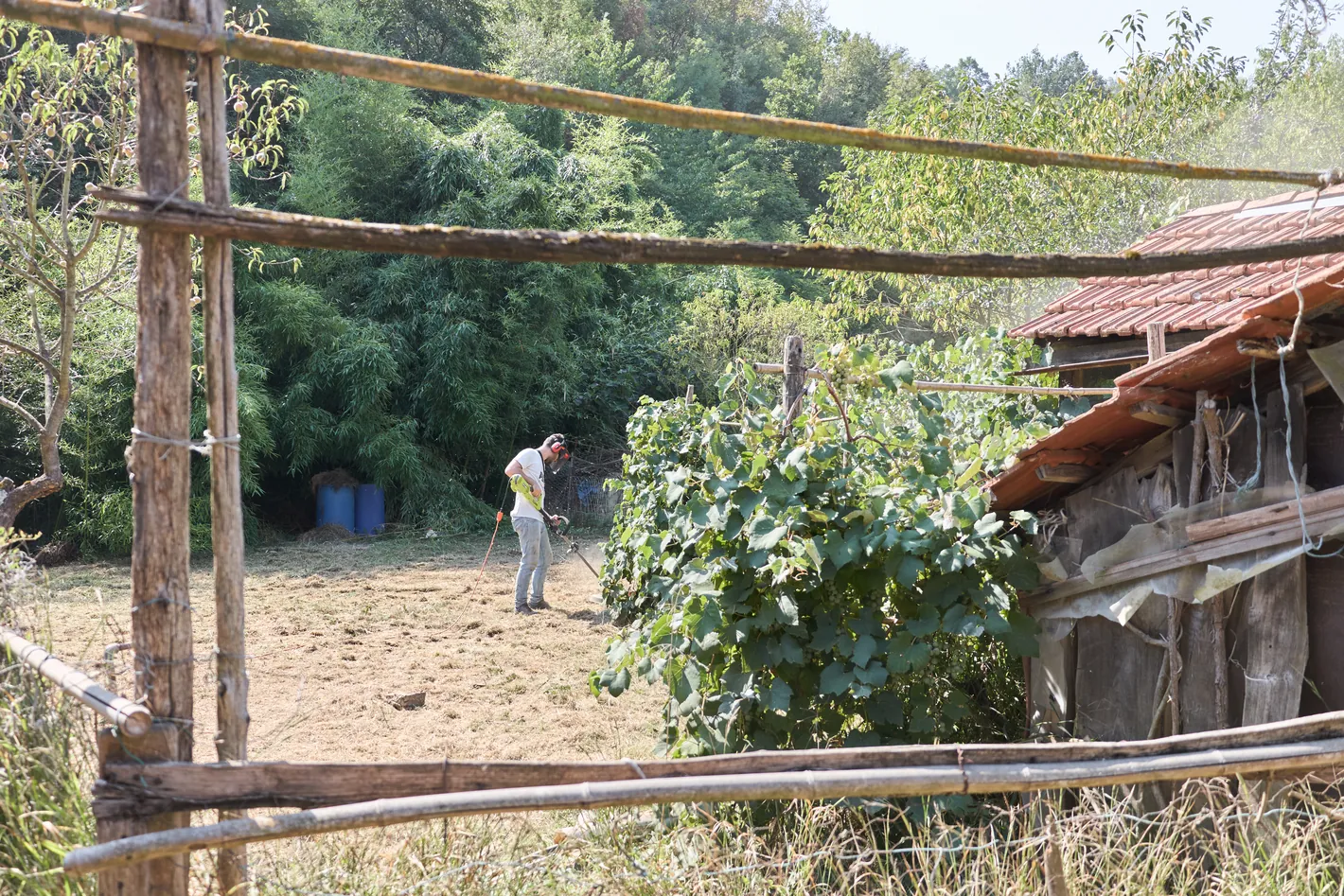
In the days around the August holiday, Golnoosh Shahidi photographed Chiappella, from mowing the grass to the canopy surrounding the houses.
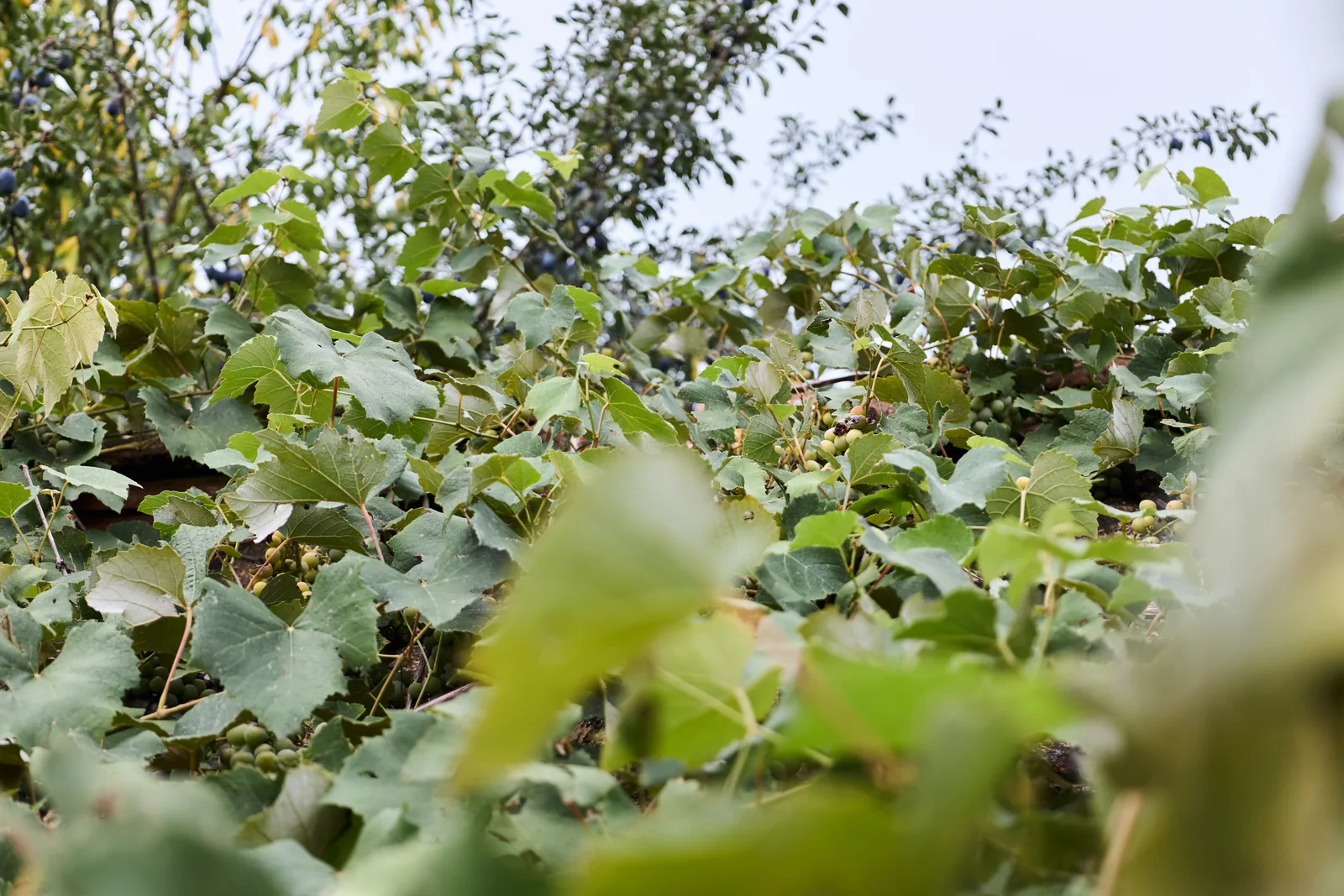
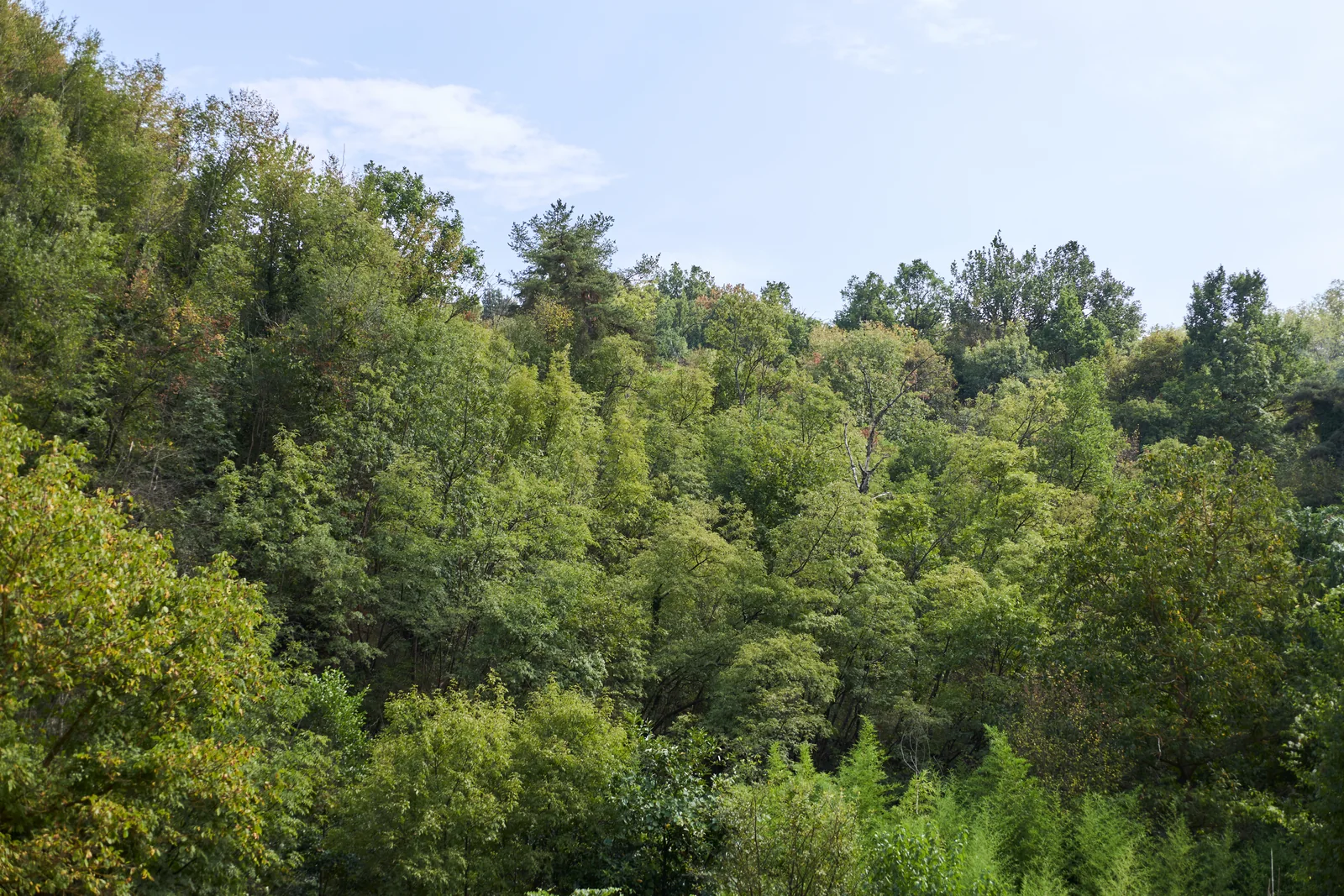
Five places with different needs for care, water and access. Here is how we would like to use them together in everyday life.
Herbs by the oven for the cook, vegetable plots across the stream and the walnut tree for gathering at the table. Shade, water and practical access will shape how the three places could work together.
The clearing at La Rupe is a possible place for seats and hammocks in partial shade. Assessing seasonal tree tents means identifying suitable trees, checking their crowns, measuring distances and finding a practical way in and out of each spot. Another idea is a workshop to build a short section of timber fencing.
All five places are included in the drone photogrammetry campaign we would like to carry out at a finer spacing than the regional 5 m model. In woodland, terrestrial laser scanning would focus on covered stretches. Numbered records by species would allow us to revisit each tree. In the chestnut grove, these observations could guide a small mushroom-log trial and help identify areas for conservation.
The proposals are under study. Each profile describes the field checks ahead and the sources used to reconstruct the terrain.
The Chiappella houses